
How Drake’s "Nokia" Music Video Leveraged Digital Marketing for Record-Breaking Album Sales
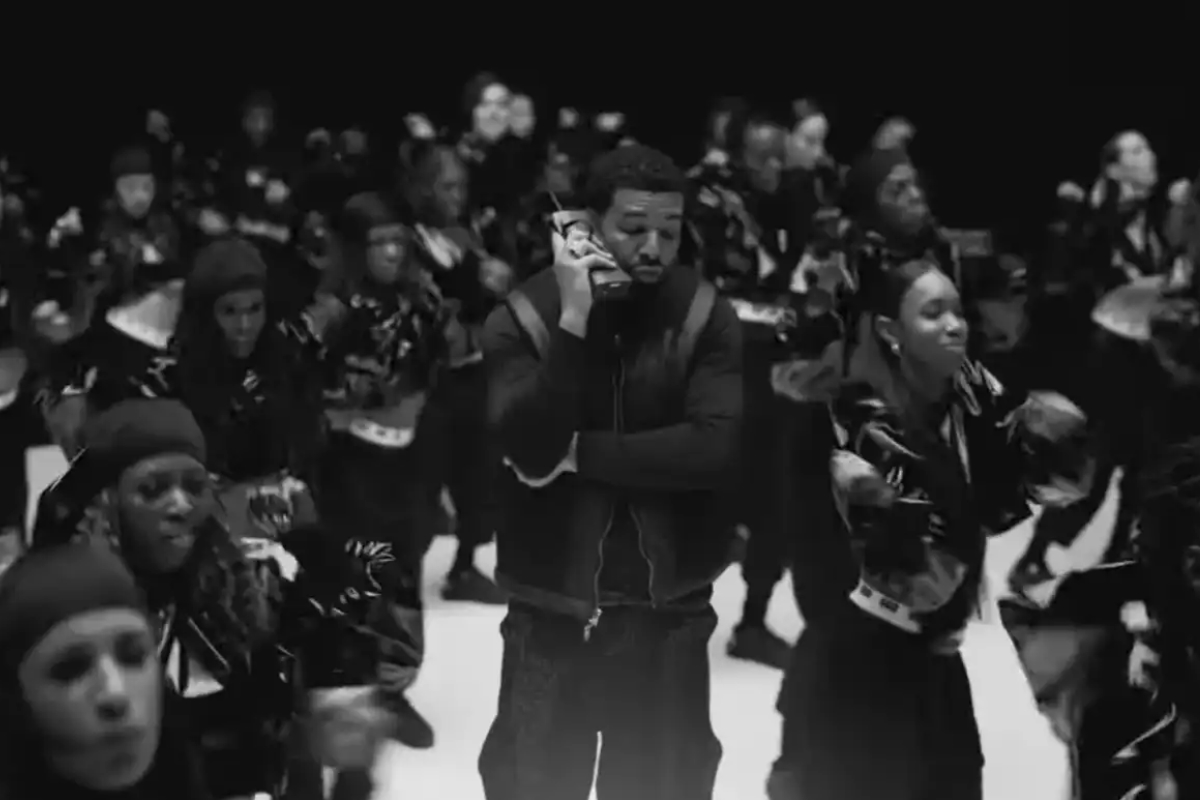
Drake is known for his boundary-pushing music, but when it comes to marketing, he's a true innovator as well. His Nokia music video wasn’t just a visual masterpiece; it was a case study in digital marketing strategy that took advantage of the platform’s algorithms and trends to increase visibility, drive engagement, and, ultimately, boost album sales. Let’s break down how Drake used digital marketing to push the Nokia music video to new heights.
1. Exclusive Digital Launch: The Power of Anticipation
Before the official release of the Nokia music video, Drake teased it exclusively on digital platforms. Instead of a traditional TV or radio premiere, he used social media to create buzz. He dropped subtle hints, sneak peeks, and behind-the-scenes footage, letting his fans know that something big was coming.
This build-up led to a surge in anticipation, creating a perfect storm of excitement when the video finally dropped. Social media posts, teasers, and even cryptic Instagram stories encouraged fans to spread the word, sharing their guesses and excitement about what the video would bring.
Takeaway: Creating anticipation is a powerful digital marketing strategy. When fans feel like they’re a part of the process, it builds anticipation and buzz around the release.
2. Platform-Specific Strategy: Maximizing Engagement
Drake’s digital marketing approach for Nokia was platform-specific, leveraging the unique strengths of each social network. For instance:
- Instagram Stories & Posts: The visuals from the Nokia video, filled with striking imagery, lent themselves perfectly to Instagram. Drake shared exclusive snippets and engaging stories with his followers, creating shareable moments that quickly spread through his fanbase.
- TikTok: TikTok, with its highly engaged, younger demographic, became a key platform for spreading viral challenges based on the video. Clips from the video were turned into memes, dances, and soundbites, allowing the video to get millions of views.
- Twitter: Drake used Twitter to drop witty, relatable captions alongside video snippets, further fueling fan interactions. Hashtags like #NokiaChallenge helped it trend globally.
By tailoring content for each platform, Drake ensured that the music video reached different segments of his audience, maximizing engagement across social media channels.
Takeaway: Tailor your digital content for each platform. Don’t just share the same post everywhere—optimize your approach for the audience on each platform to ensure higher engagement.
3. Influencer Marketing & Collaborations
Drake didn’t just rely on his own fanbase to push the video. He leveraged the influence of key personalities in the digital space—musicians, influencers, and social media stars. Many influencers who were part of the same cultural sphere were quick to share, react to, and reference the video, thus driving even more attention to it.
Drake is known for his collaborations, and Nokia was no different. He strategically worked with up-and-coming artists and influencers to ensure the music video stayed in the cultural conversation. These collaborations weren’t just for show—they were strategically designed to generate fresh content and a steady stream of mentions from different corners of the internet.
Takeaway: Influencer marketing isn’t just for products—it can also be used to push music videos and drive visibility, reaching a broader audience.
4. Fan Engagement: Building Community Through Content
Once the Nokia video dropped, Drake continued to engage with his fans. He encouraged user-generated content (UGC) by inviting fans to share their own Nokia experiences. Whether it was videos of them listening to the track, reacting to specific moments in the video, or using the video as a soundtrack for their own content, Drake fostered a sense of community around the music.
This engagement wasn’t just limited to posts—it extended to Drake’s replies, retweets, and reposts. By acknowledging fan-created content and amplifying it, Drake showed his audience that their support mattered, which kept the momentum going long after the video’s release.
Takeaway: Building community around your content keeps the momentum going. Fans want to feel involved, so encourage them to share their own experiences and make them a part of the journey.
5. Cross-Promotions with Streaming Platforms
To ensure that the music video and album got the recognition it deserved, Drake partnered with streaming platforms like Spotify, Apple Music, and YouTube to feature the Nokia video prominently on their homepages. These placements helped him secure prime visibility, allowing the music video to reach millions of new listeners who might not have otherwise engaged with it.
By cross-promoting the video and his album on streaming services, Drake made sure that the entire ecosystem of his music—videos, singles, and albums—worked together to increase streams, views, and ultimately, album sales.
Takeaway: Strategic partnerships with streaming platforms can significantly amplify your content’s reach and drive direct sales.
Final Thoughts: A Masterclass in Digital Marketing
Drake’s Nokia music video wasn’t just a creative piece of art—it was a digital marketing campaign built on the principles of exclusivity, fan engagement, influencer collaboration, and platform optimization. By utilizing the power of digital platforms and understanding his audience, Drake not only pushed his video into viral status but also drove album sales in a way that few artists have mastered.
If you’re in the business of launching a product, service, or campaign—take a page from Drake’s playbook. Know your platforms, create anticipation, foster engagement, and use your fans as advocates.
Want help taking your brand or campaign to the next level with digital marketing?
Let ScopeX Digital help you strategize and execute your next viral campaign.